
From the time I can remember, whenever I belonged to any group, I was, what my brother would call, a rah! rah!
My brother was definitely not a rah! rah! But, in his defense, organized things, like church and school, weren’t always that welcoming to the distracted kid who looked like he would have preferred to be anywhere other than there, and he would have.
I remember so clearly many aspects of 1976. I wore one of those mop hats Betsy Ross and the like wore, because my class was so often engaged in colonial reenactments at malls and nursing homes. I remember my friend, Krissi, who had Mr. Griffin instead of Mrs. Wentz, and her whole class did a huge lip-syncing performance, and Krissi got to be Elton John while another girl, who I was very jealous of, got to be Kiki Dee. Damn!
But my class was relegated to what Mrs. Wentz liked, and that was patriotism.
Well, that wasn’t that hard for me. I loved fireworks, something which, I must admit, years of dog ownership as an adult have soured for me. I loved barbecues in the back field with all the dads playing softball against all the sons, even if it did mean that the other daughters and I were stuck being beer-bringers, cheerleaders, and trash-picker-uppers. I was so proud a few years earlier for the Battle of the Sexes, where Billie Jean King roundly kicked Bobby Riggs’ old ass. I believed in feminism from the door, as much as a new human could. But the guys were not at all happy about Billie Jean King. They were pissed, and embarrassed, as if each one of them was Bobby Riggs. When our working class neighborhood had those ball games in the field I had an understanding that the guys needed those ball games. Those dads needed to clobber their young sons, and they needed their wives and daughters to cheer them on.
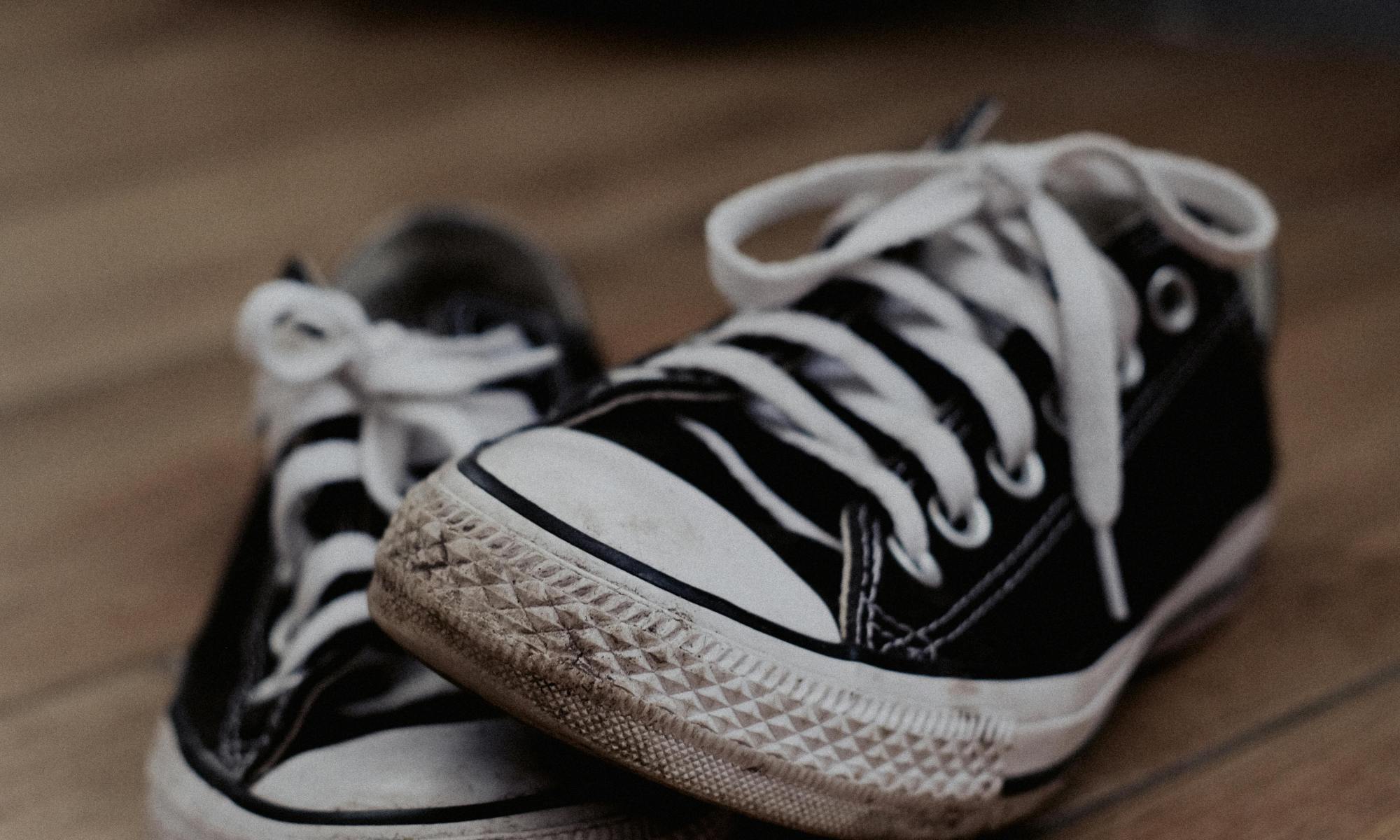
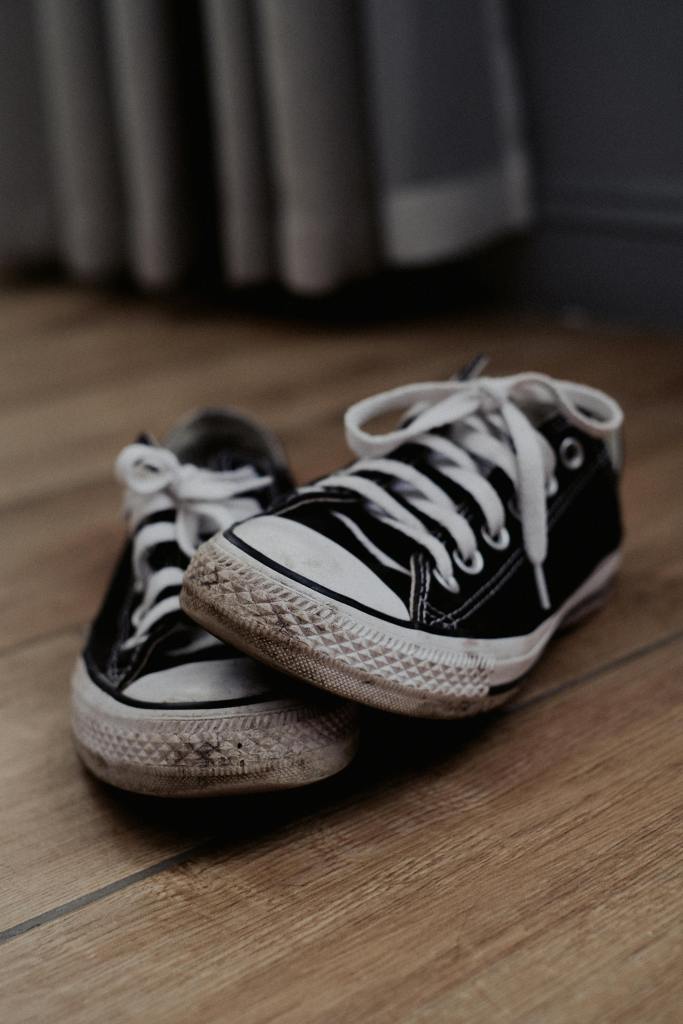
I have the photo of Converse at the top because we wore Converse and Keds, my brother and me, and I had a pair of Converse, I think they were Converse, in 1976 that were stars and stripes, and I loved them. I had a patriotic T, and I put crepe paper in my spokes, and biked in the 4th of July parade, learned all the patriotic songs (I was able to sing all the words to “When Johnny Comes Marching Home” just last night at the Hollywood Bowl), and I loved America.
My parents were blue-collar, a machinist (later a gunsmith) and a telephone operator, and they raised us on church, and baseball games, and love and respect of elders, and turkey with stuffing, and all that stuff.
As I grew up, though, that fit me less and less.
Sometimes, in my childhood, boys were just jerks, mean, violent. I never had a group of girls surround me on bikes and spit all over me, or throw worms in my long hair when it rained, or pick on my friend Richard, who was probably gay, and hit him, and hit me if I tried to stop them. But the boys did that. The boys told me I couldn’t play run-the-bases, or go in their fort, or go with them to the creek. Not my brother, my brother was always nice, but the boys the same age as me. In school the boys got angry when I got a higher score on the test, like it was a crime, and then would do something, “Race you to that pole!” to prove they could beat me. Or just knock into me in the hall, or hold my locker door closed when I was trying to get my books out. I loved my father and brother. I loved baseball and hockey and boxing. I wanted to hang out with the guys and the girls, but the guys weren’t usually welcoming, and they really didn’t want to hear my ideas on how to do things, at church or at school. And there were plenty of girls who were always ready to defend the guys being just as jerky as they wanted to be, if it meant they got asked to the prom. I also wanted to go to prom, but not that much.
As I grew up I was always more of a reader than most, and so I read the Sunday paper, and the Bible, and the school textbooks, and the encyclopedias that we had (I think we had through J), and the Atlas. I knew what the books said, and I knew what I thought about what I read. A lot of the guys hadn’t read, but they knew with certainty what they thought, and I had better not say different. And their girlfriends agreed.
In college, when I was living in an apartment near University of Pennsylvania, the neighbor guys threw ketchup and mustard on my apartment door, and banged up my bike locked up in the hall, because of my Geraldine Ferraro poster, which they tore down and tore up. Guys were always telling me I had too much to say, and too many opinions, and read too much.
Much later, when I signed up to adopt from China, I joined a Yahoo group for adopters-to-be, and quickly learned that a vocal group of waiting parents were fundamentalist Christians, and they didn’t want anyone using rainbows for anything, or to adopt while gay, or to really like China at all, which was, in the views they often espoused, a bad place full of bad people whose children needed rescuing.
I watched the Watergate hearings as a small child. When the cartoons were over on Saturday mornings, I stayed for the hearings until my mom shooed me away. I was so disappointed in Nixon. I thought Ford was a kindly but ineffective man. I thought Carter was great; I wanted to meet him. I despised Reagan, and both Bushes, and I was thrilled about Clinton, but more thrilled about Mrs. Clinton. I was devasted when Bill cheated on his wife.
I don’t know where I’m going with this except that, when I was young, I loved being a USA booster, and as I aged, I have felt more and more pushed out, like my kind of person wasn’t the right kind of American, and I’m white and straight! For those who aren’t, the pushing must feel so much more constant.
When I went to see Hamilton last fall, all my patriotism was re-awakened. My god what they did to get this country made! What they had the imaginations to plan for in the future, and what they were willing to give up to make this dream country!
But then, less than a month after I saw it, so many people voted for the wrong person. Now, I agree, we can compare and agree to disagree on John McCain and Mitt Romney vs. Barak Obama or the like. But we cannot do that on the current occupant of the White House. The man elected in 2024 has done nothing but egregious activities his entire adult life, and yet he brings out the patriotism in so many people, people, I would argue, who have no idea what patriotism is, and what it means to be an American in the America created by those founders whose stories are told in Hamilton. My father, who taught me to love baseball and boxing, and my brother, who taught me to love hockey and catch tadpoles, would have been horrified by elected officials being shot in their homes by a fake cop, and would have been disappointed in a president who could not bring himself to offer condolences to their governor. Where are men like them? Where are the real patriots? I feel like I’ve been in states of disbelief, grief, confusion, amazement, and panic since the fall election. I have moments where I want to take my small family, and our friends, and run for another country. But when you’re from the country that kicks everyone out, can you really ask another country to let you in?
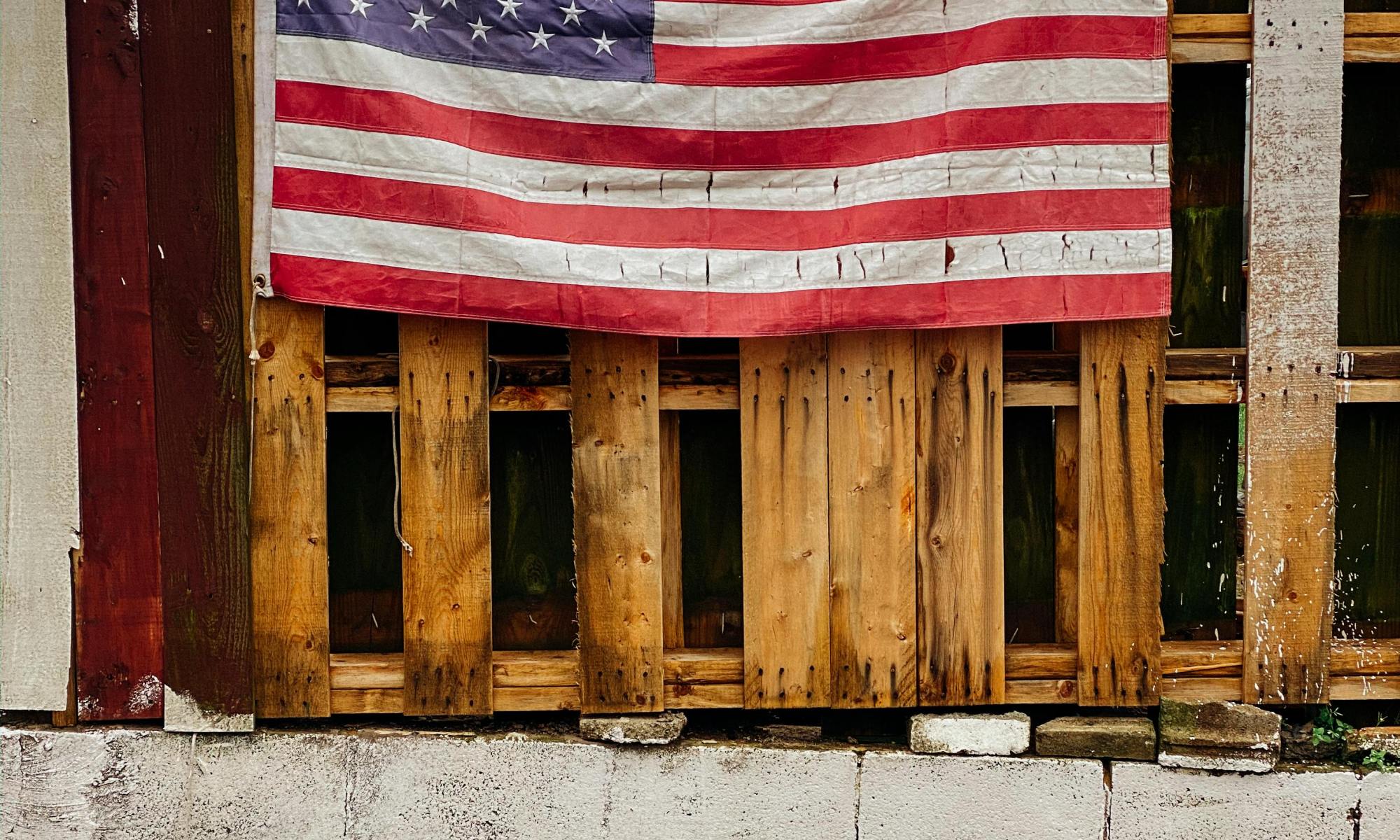
I haven’t put out a flag for Flag Day or the 4th of July in years. I am an American patriot, but not for this version of America. And I wish I could have my pride and patriotism back. For me, it’s almost like the 4thof July has been sucked into “the upside down,” where everything I’ve loved about this country has been changed to its most perverse opposite. I know that what people like me lost from our country we lost in tiny little pieces, from, in my lifetime, the pardoning of Nixon foreword, in the name of trying to give space to two sides that are really not equal at all. As the short and fantastic film Here Be Dragons says, “Math class doesn’t give equal time to 2+2=5.” But we did. I lost my patriotism, and many lost much much more. I don’t think it’s something barbecue or patriotic sneakers or colored explosions can fix.

 Dianne Pearce Writes