WHAT HAPPENS TO SNOWFLAKES IN THE SOUTH?


Publisher @ Current Words Publishing

Very excited to let you know that I had the opportunity to interview with the amazing Polly Campbell on her podcast, Simply Write. Polly is a fantastic human, kind, funny, and I had a lovely time talking with her.
Check out my interview here:

And check out everything Polly Campbell here!


I discuss book reviews and get interrupted by a dog, a mailman, and a low battery warning. You don’t want to miss it!


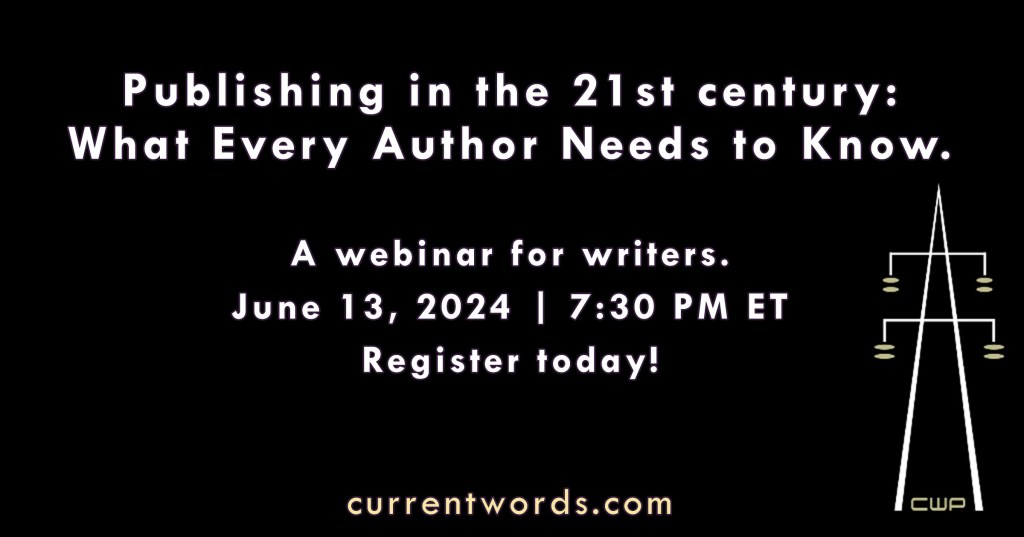
Tonight is your night to get your questions answered!
The webinar is free, and you can ask me any of your publishing questions without paying to see me at a conference!
So, c’mon, join in!

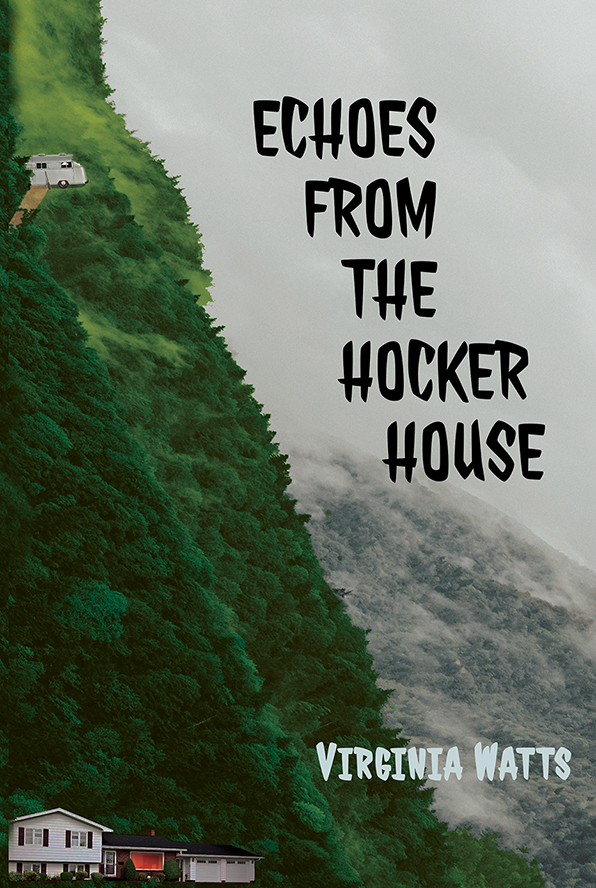
Big shoutout to Virginia Watts, one of the OGs at OSP! Her short story collection, ECHOES FROM THE HOCKER HOUSE, just landed on the shortlist for the 2024 da Vinci Eye Award and the Eric Hoffer Book Award. As the editor on this project, I gotta say, these stories are straight-up mesmerizing. They’ll take you on a journey you will not be able to forget, and I wouldn’t be surprised if you binge-read the whole thing in one go. Virginia, you’re killing it! Fingers crossed for the win!
PS. Virginia already won this one!


The post is called, “What I Read for Love.” CHECK IT OUT HERE

Stop by Authors Electric for my new post, but also for the other posts! The authors there are so engaging. They give you their time. Can you loan them your eyes?
🙂

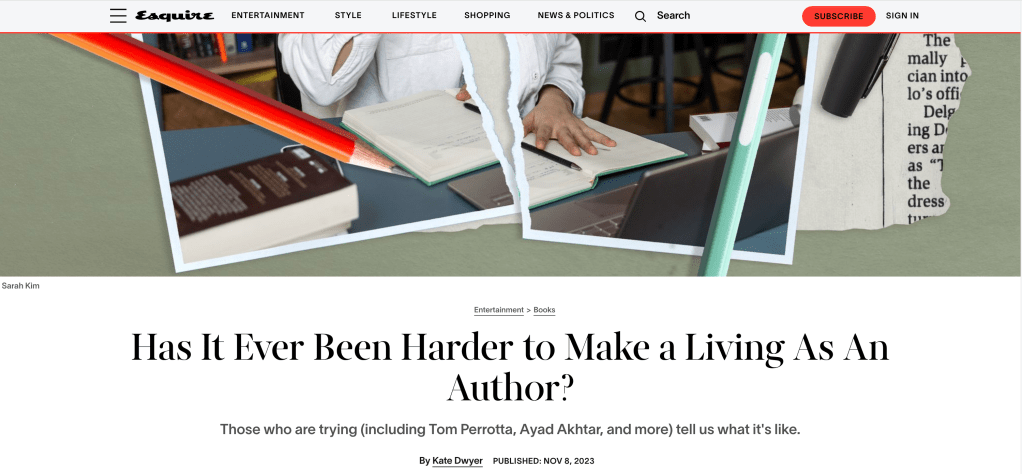
Aside from doing my own writing, and teaching and tutoring, I’m in the publishing biz. And, during my six years doing that I have really been delving into this topic over and over, not even for myself, in all honesty, but for the truly very talented authors I have helped to publish who I think should be making a living from their writing, because most authors are not making a living from their writing.
And, the ones that are, are probably working their social-media butts off, and probably not fully making a living. They probably have gainfully employed spouses, with health benefits, and are making a contributing amount as an author, but not a rent-paying amount. That is my guess, for the “in general” group. There are always outliers. But, there are not very many of those.
So I offer you two articles to read which I find helpful as an author for keeping me grounded:
THIS ONE:

AND THIS ONE:

May you write a good novel and finish it, and may it find its readers.

The first thing I felt myself noticing about the film Asteroid City was how orange everything was.
The orange was gorgeous, and a device of course, and part of what makes it a poem.
The movie is a poem.
The movie is a poem because it is not a full and complete story as much as it is a full and complete poem about grief.
The mother who has died in the color part of the movie is just an actress, and the story of her surviving family is just part of the script of the play, and in the black and white part of the movie, she is still alive and well, and it is actually the playwright who has died. Which, in the narrative, makes sense as the color part of the movie, the play, remains unfinished.
Some people. might mildly enjoy the film’s “story” and leave feeling unsatisfied, because they do not understand poetry, and they do not understand that it is a poem.
If there is a central theme to the black and white section of the film, it is creative people doubting their creativity, and struggling to manage their “art” while they live, or not, their lives.
If there is a central theme to the color part of the movie I would say it is people trying to manage the relationships in their lives, and struggling to be open about their struggles and emotions, because they are too concerned about the affect they will have on those around them, who they love.
But the overall theme of the film is just the feeling, the feeling of wanting something special to happen, the feeling of wanting lives that end to go on indefinitely, the feelings of wanting to be accepted in the full splendor of our own weirdness, the feelings of how hot and uncomfortable and trapped life can feel, and then, in a whiff, all the circumstances and all the people you were worrying about are gone when you wake up. And maybe you weren’t ready. And the world is so orange, and the world is so grey, and can we connect more than superficially, and do we know what to do when everyone has gotten up and gone, and we’re still working things out?
If you need a thread… if you need a frame around your story… if you need a linear: “…and then this happened and then this happened and then this happened…,” sort of story that you can successfully sum-up for another human, this might not be your movie. But that is no reason to slam it. It is a lush, and sparse, and warm, and disconnected, and full-of-feeling poem. And like life, the end moves into the current space and time, and you probably were not ready for it. But that doesn’t mean we slam it based on our own short-comings, and our own reluctance to let go of the handrail, and float in a poem masquerading as a film. One very interesting thing about my daughter, which may be, in part, a reflection of her coming up as a consumer of reels, she is not so bound to the linear in story-telling, and she went with it. She liked it; she got it enough to be entertained, and she didn’t ask too much more of it.
And it seems like many people didn’t get it, and were none too pleased that it looked and felt like

Moonrise Kingdom, but didn’t wrap up in a nice bow.
The family in Moonrise Kingdom has four children, one female teen in crisis, and three small hellions for sons. Asteroid City has the same: one male teen in crisis, and three small hellions for daughters. But no neat ending. Grief is not neat.
Asteroid City is a poem. If you like poetry, you might like seeing a movie that is only masquerading as a film, and is, in truth, a poem. I loved it.
 Dianne Pearce Writes